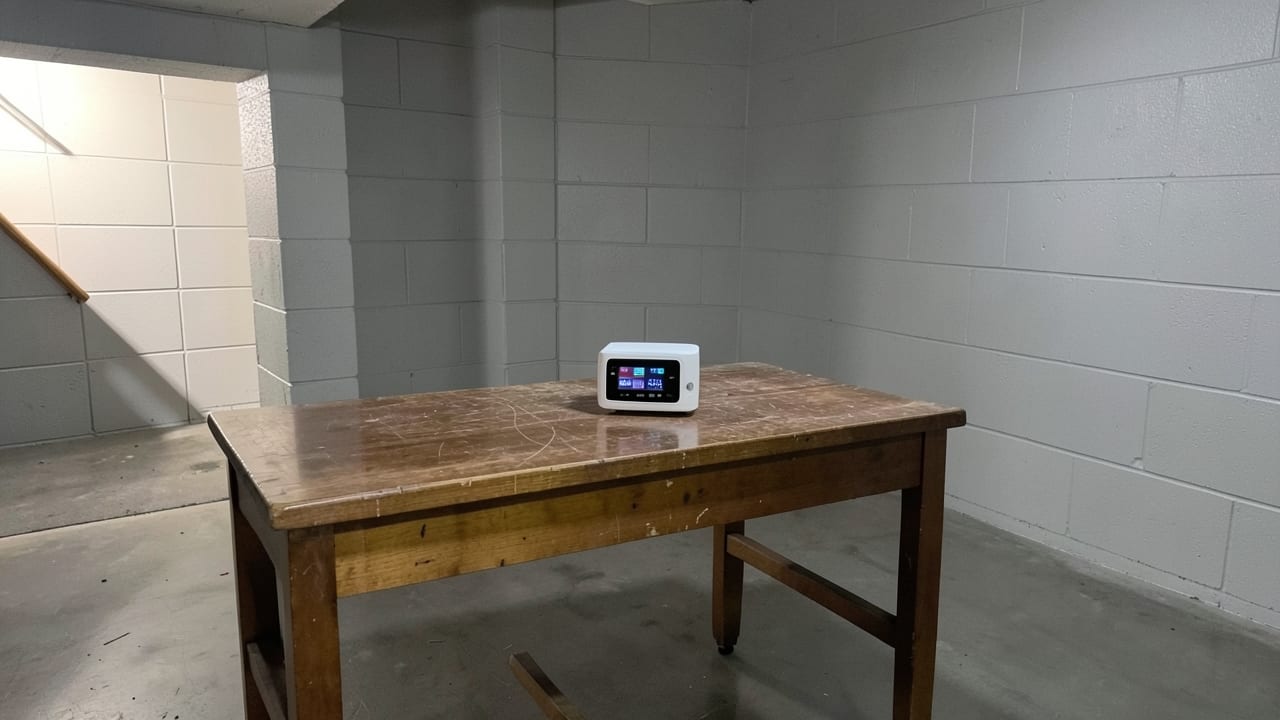
Pre-Sale Mold Clearance
Pre-sale mold clearance involves inspection and testing to confirm a property is mold-free before purchase.
Pre-sale mold clearance in North Beach, MD, ensures your home meets real estate standards before a sale by identifying hidden mold and moisture sources. This service involves thorough inspections, sampling, and lab analysis to document findings and help address issues before they become a dealbreaker.
It’s a key step for sellers to disclose potential problems and for buyers to assess the property’s condition with confidence.
We also handle Sewer Backup Mold Cleanup and Rental Property Mold Cleanup for North Beach properties.
Why pre-sale mold clearance matters
Mold can hide behind walls, under floors, or in attics, often undetected until it’s too late. A pre-sale clearance helps uncover these issues before they become a negotiation point or health concern.
Maryland’s Tenant Mold Protection Act (2025) signals growing attention to mold standards, making this service a proactive way to address potential problems upfront.
Even if mold isn’t visible, moisture sources like leaks, poor ventilation, or high humidity can create ideal conditions for growth. Without addressing these, remediation may only be temporary. A clearance assessment provides a clear picture of what needs fixing and why, so you can prioritize repairs before listing your home.
Signs You May Need a Pre-Sale Mold Assessment
- A persistent musty or earthy smell in closets, bathrooms, or crawl spaces that doesn’t fade with airing out.
- Visible mold spots (black, green, brown, or dark speckles) on drywall, grout, window frames, or under carpets.
- A history of water damage—even if it was ‘fixed’—such as past leaks, flooding, or condensation issues.
- Health symptoms (sneezing, headaches, itchy eyes) that improve when you leave a specific room or area of the house.
What the assessment covers
A thorough pre-sale mold clearance includes a visual inspection for visible growth, staining, and moisture damage, followed by targeted sampling where necessary. The process traces moisture back to its source—whether it’s a roof leak, plumbing issue, or poor grading—to prevent recurrence.
Every finding is documented in a written report, which is critical for remediation planning and compliance.
Lab analysis of air and surface samples provides species identification and spore concentration, but these results are only meaningful when paired with a moisture diagnosis. Without addressing the root cause, mold can return, making the assessment’s focus on both contamination and its source essential.
Avoiding common mistakes
Skipping a moisture source diagnosis can lead to incomplete remediation, as mold often returns if the underlying issue isn’t fixed. Similarly, cross-contamination during sampling—such as using the same tools in multiple rooms or moving between affected and unaffected areas without protective gear—can skew lab results.
A proper assessment controls for these risks to ensure accurate findings.
Not all remediation methods include post-work clearance testing, which is the only way to confirm the job was effective. Without this step, you may not know if hidden mold remains. Always ask for a written scope of work that includes containment, remediation, and clearance testing to avoid surprises later.
| Red Flag in a Quote or Bid | Why It’s a Concern |
|---|---|
| No itemized scope of work | Makes it impossible to compare bids or hold the contractor accountable for missing steps. |
| Pressure to sign during the inspection visit | A legitimate scope takes time to prepare; rushing skips your chance to review details carefully. |
| No mention of post-remediation clearance testing | Without independent verification, you won’t know if the mold was fully addressed. |
| Full payment requested upfront | Removes leverage if the work isn’t completed as promised or if hidden issues arise. |
How pre-sale mold clearance works
This process combines inspection, sampling, and lab analysis to identify mold and moisture sources.
- 1Visual and Moisture Inspection
A trained inspector examines the property for visible mold, staining, and musty odors. They use a moisture meter and thermal imaging to detect hidden dampness in walls, floors, and ceilings, mapping affected areas before sampling.
- 2Air and Surface Sampling
Where the source isn’t obvious, spore-trap air samples and surface swabs are collected from suspect areas plus one unaffected room as a control. This comparison helps lab results show whether mold levels are abnormal.
- 3Independent Lab Analysis
Samples are sent to a third-party accredited lab for species identification and spore concentration testing. Results typically return in 2–5 business days, providing data to assess the extent of contamination.
- 4Moisture Source Diagnosis
The inspector traces moisture back to its origin—such as roof leaks, plumbing issues, or poor ventilation—to ensure remediation targets the root cause, not just the visible mold.
- 5Written Scope Report
Findings are documented in a report detailing affected materials, moisture sources, and square footage. This report guides remediation planning and may be required by law before work begins.
Frequently asked questions
Do I need a pre-sale mold clearance if my home has never had visible mold?
Even without visible mold, moisture issues—such as past leaks, high humidity, or poor ventilation—can create conditions for hidden growth. A clearance assessment checks for these risks before they become a problem during the sale.
How long does the entire process take from inspection to lab results?
The inspection and sampling take a few hours, while lab analysis typically returns results in 2–5 business days. The total timeline depends on lab turnaround and scheduling.
Will the report identify the type of mold and whether it’s dangerous?
The lab report will specify mold species and spore concentration, but not all molds are equally harmful. The focus is on identifying contamination and moisture sources to guide remediation, not on labeling mold as ‘toxic.’
Can I fix minor mold issues myself before the sale, or should I hire a professional?
Small, contained mold spots (under 10 square feet) on non-porous surfaces can sometimes be cleaned with vinegar or bleach, but hidden growth or moisture issues require professional assessment. DIY fixes may miss underlying problems.
Where North Beach sits, and what the Census lists nearby
North Beach sits in Maryland, and the closest places listed in the U.S. Census Gazetteer are Chesapeake Beach (1.7 miles southwest), Friendship (3.5 miles northwest), Owings (3.7 miles west), Deale (5.4 miles north). Within 25 miles of North Beach the same source lists 94 distinct incorporated places and census-designated places.
Those figures matter for pre-sale mold clearance because they are straight-line distances between Census coordinate points: road mileage between North Beach and Chesapeake Beach runs longer than the 1.7 miles shown, which is why quotes for the same job differ between towns that look close together on a map.
Source: U.S. Census Bureau Gazetteer.
See Upper Marlboro, MD for more, or check out our full North Beach-area coverage side by side for our complete lineup.
Ready to get started?
Talk to a local mold remediation pro in North Beach — get a written quote.
Other Mold Remediation Services in North Beach
Sewer Backup Mold Cleanup in North Beach, MD
Professional cleanup of mold caused by sewer backups in homes.
Learn More
Rental Property Mold Cleanup in North Beach, MD
Professional mold removal and remediation for rental properties to restore safe living conditions.
Learn More
School Mold Remediation in North Beach, MD
Professional mold removal and remediation in schools to ensure a safe, healthy environment.
Learn More
Hospital Mold Removal in North Beach, MD
Professional assessment and removal of mold in hospitals to ensure a safe, healthy environment.
Learn More
Tile & Grout Mold Cleanup in North Beach, MD
Professional removal of mold from tile and grout surfaces in bathrooms, kitchens, and other tiled areas.
Learn More
Vinyl Flooring Mold Treatment in North Beach, MD
Professional mold treatment and removal for vinyl flooring in homes.
Learn MoreCommon Questions About Mold Remediation in North Beach
Everything you need to know about mold remediation services in North Beach
How much does Pre-Sale Mold Clearance typically cost in North Beach, MD?
Why does North Beach, MD's humidity make mold a bigger risk than in drier regions?
Does homeowners insurance typically cover mold remediation?
Is black mold actually more dangerous than other mold types?
How long does a typical mold remediation job take?
Is it safe to stay in the home during mold remediation?
Need Mold Remediation in North Beach?
Connect with local providers in North Beach for a detailed quote.
⏰ We answer your call • Serving all of North Beach and surrounding areas